
ONE LIFE
Designing a leaderboard that turns invisible progress into shared accountability.
01 OVERVIEW
Timeline
Jun 2025 - Aug 2025
Project Type
Product Feature
Challenge
Progress in the Void: Why Users Abandoned Their Growth Journey
One Life unifies what life fragments. Instead of forcing users to context-switch between productivity apps, fitness trackers, and learning platforms, we created a single ecosystem where daily actions align with long-term growth: because intentional living shouldn’t feel like work.
The pattern was clear: users would start strong, then vanish. Our research for One Life revealed the real problem wasn’t lack of motivation; it was invisible progress. Users were completing their daily challenges and weekly quests, but with no way to truly see their growth or share their journey, every effort felt like shouting into the void. Existing apps offered tracking tools, but not what users desperately needed: evidence that their work mattered and the sense that someone was walking alongside them.
How Might We…
Design an experience where every completed action reinforces long-term growth and creates moments of connection?
Solution
Making Effort Contagious
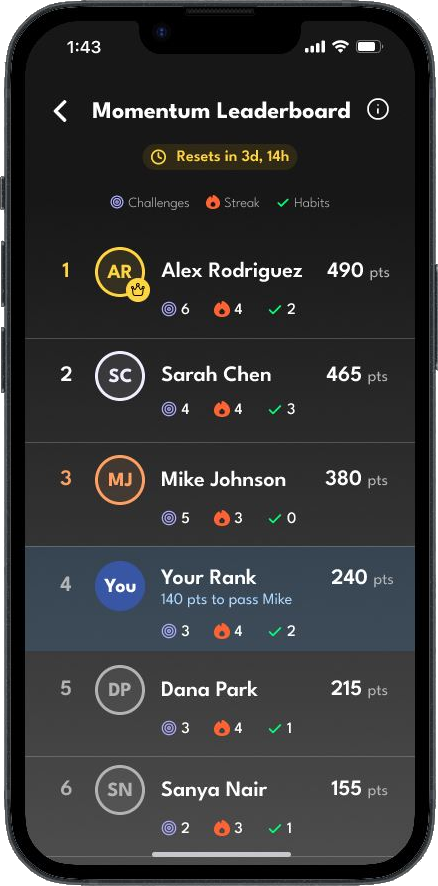
We flipped the script: what if progress became the content? The One Life Momentum Leaderboard doesn’t rank who’s ‘best’; it surfaces who’s showing up, building streaks, and staying consistent. We combined social media’s addictive validation with self-improvement’s depth, adding the missing ingredient: accountability. When your streak is visible to your community, every day becomes a promise you’re keeping publicly. Users don’t just track their wins; they broadcast momentum that inspires others and holds themselves accountable, transforming personal goals into shared commitments both inside and outside the app.
Role
Product Design Intern
Team
CEO/Founder of One Life, team of entrepreneurs (UX Designers & Researchers, Marketers)
02 RESEARCH
Competitive Analysis
How Is One Life Going To Make a Difference?
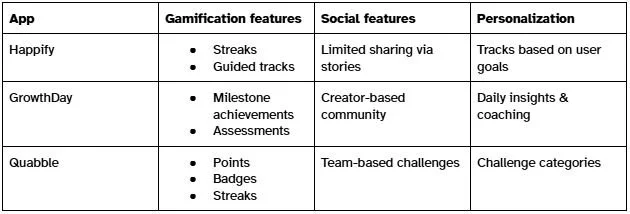
I conducted a competitive analysis between Happify, GrowthDay, and Quabble, which revealed a critical gap. These apps excelled at behavior-change mechanics but fell short on what makes changes stick: social proof and playful competition. Users were transforming in isolation, with no stage to showcase their growth. This gap became our opportunity. One Life could give users what existing apps withheld: progress worth showing off and friendly competition that fuels momentum instead of draining it.
The takeaway?
None of the competitors combine visual, shared momentum and friendly competition.
User Surveys
What Users Value From Lifestyle/Productivity Apps
The ideation phase was a collaborative process with the product team, brain dumping on ways we can take One Life to the next level.
Through surveys and peer interviews, users said they valued personalization, encouragement, and the ability to see progress; not just in habits but in how they were showing up consistently. They also said friendly competition helped them stay motivated in other areas of their lives.
Below are some of the responses we received on our One Life Google Forms, as well as team input on our FigJam (online whiteboard). These show what users wrote about what they’d like to see implemented into the One Life app, which align with the Momentum Leaderboard concept.

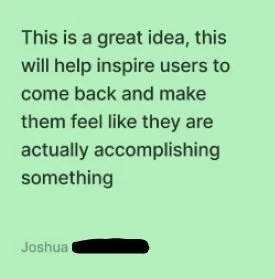

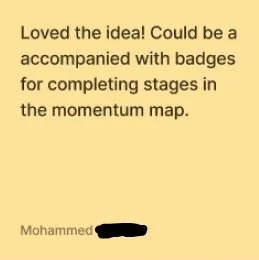
The main takeaway: a lot of us on the product team loved the idea of having some sort of way to track visual progress and bring in gamification.
AI in My Process
AI as a Design Partner: Developing the Momentum Leaderboard for One Life
When conceptualizing the Momentum Leaderboard feature for One Life, I turned to AI as a collaborative brainstorming partner to explore various design possibilities and interaction patterns.
Initial Ideation Phase
I started by describing the core concept to ChatGPT: a leaderboard that would track user momentum and encourage consistent productivity habits. Rather than simply tracking static metrics, I wanted something that felt dynamic and motivating. Claude helped me think through different approaches to visualizing momentum, from streak-based indicators to heat maps that showed acceleration in user progress.
Visual Exploration
The AI was particularly valuable in generating diverse layout concepts. We explored everything from traditional ranked lists with enhanced visual elements to more innovative approaches like gamified designs that emphasized personal growth alongside competitive elements. ChatGPT suggested incorporating micro-animations and progress indicators that would make the feature feel alive and responsive, helping users feel their momentum rather than just see numbers.
Refinement Through Iteration
What made the AI collaboration especially effective was the iterative nature of AI and I’s dialogue. I could quickly test ideas verbally, get visual mockup suggestions, and refine the direction without committing to full design prototypes. ChatGPT helped me consider accessibility concerns, different user motivation types, and how the leaderboard could maintain engagement without fostering unhealthy comparison.
The result was a clearer vision for a Momentum Leaderboard that balances competitive motivation with personal growth tracking, setting a strong foundation for the detailed design work that followed.
Sketches
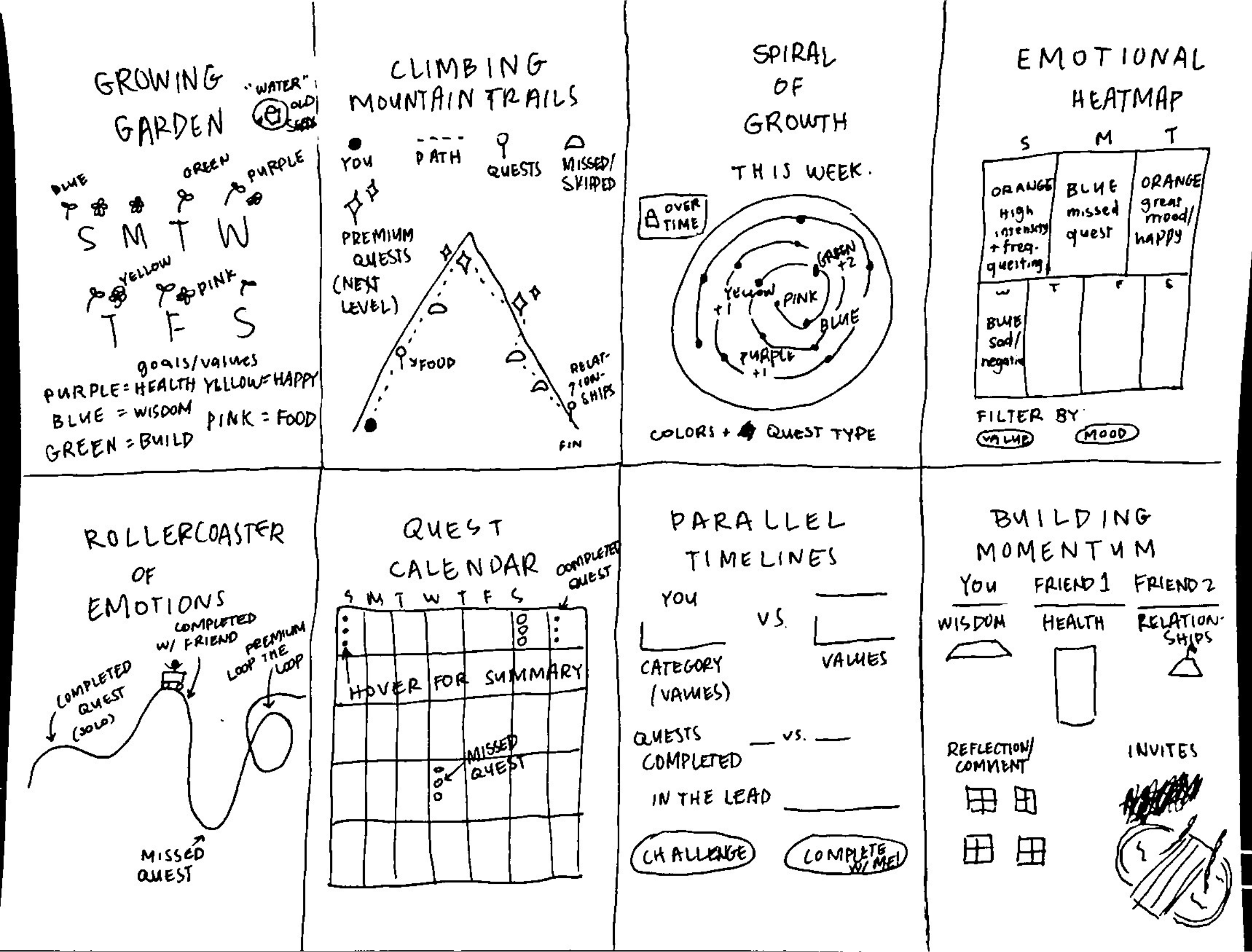
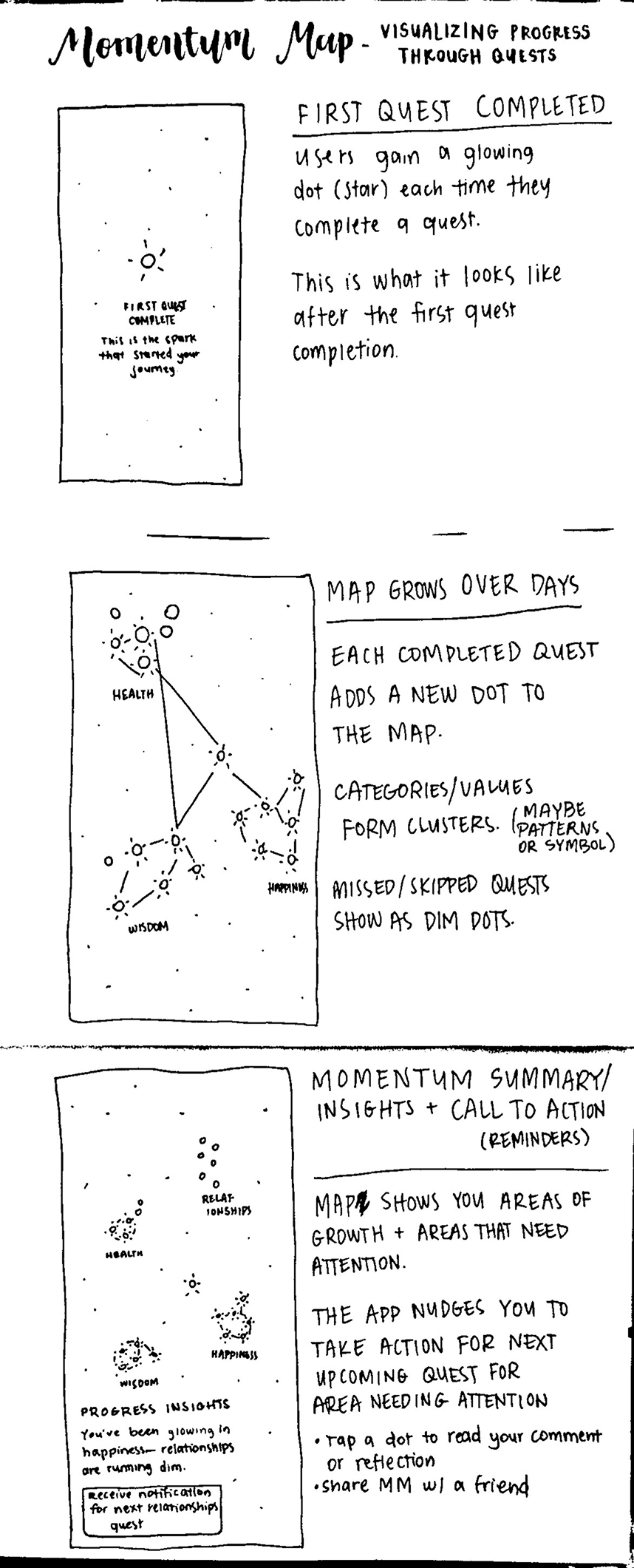
Here are some early sketches exploring what momentum could look like, from minigames to timelines to map-style progress indicators. In terms of feasibility, my constellation map would’ve taken too much time, effort, and budget to create and maintain. So, I had to think of another solution; one that balances clarity with emotional reward and keeps users feeling motivated rather than judged.
03 DESIGNS
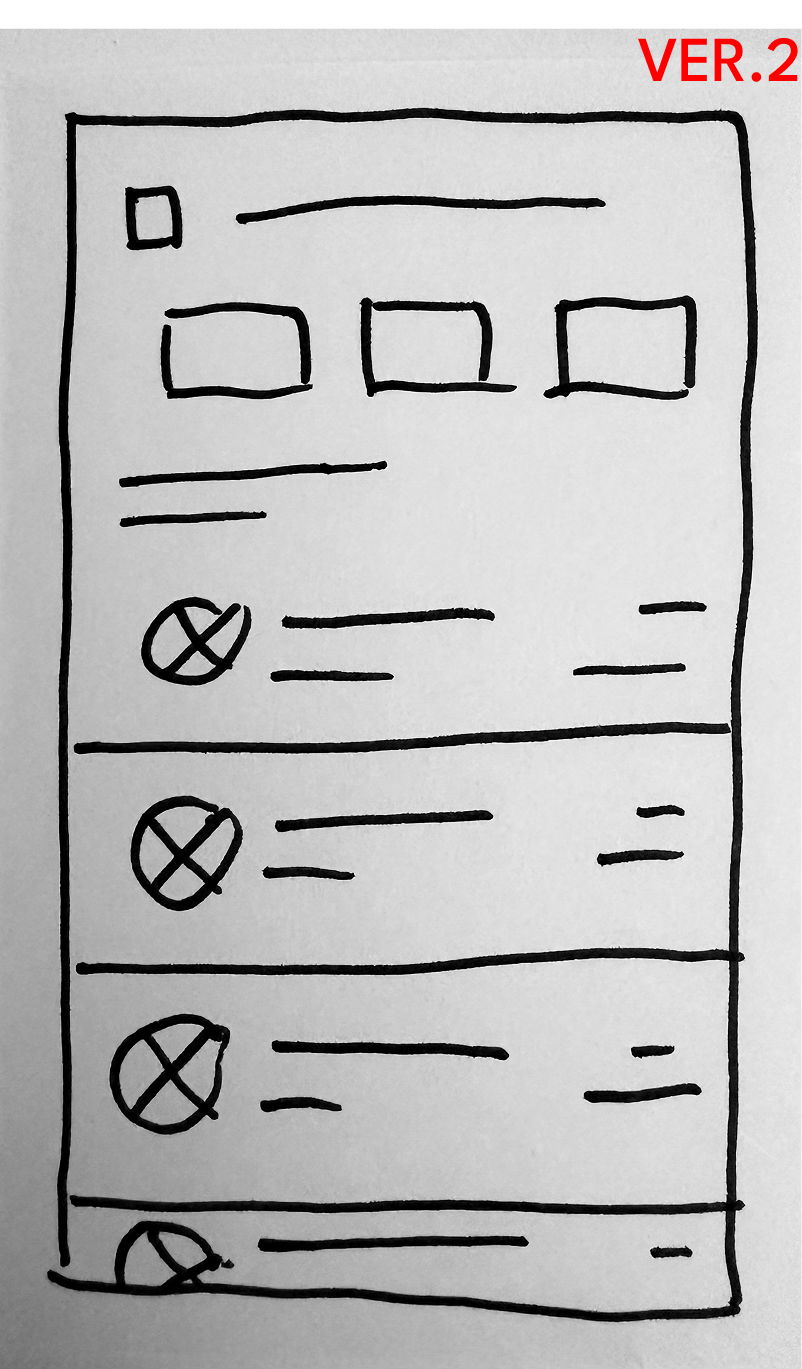
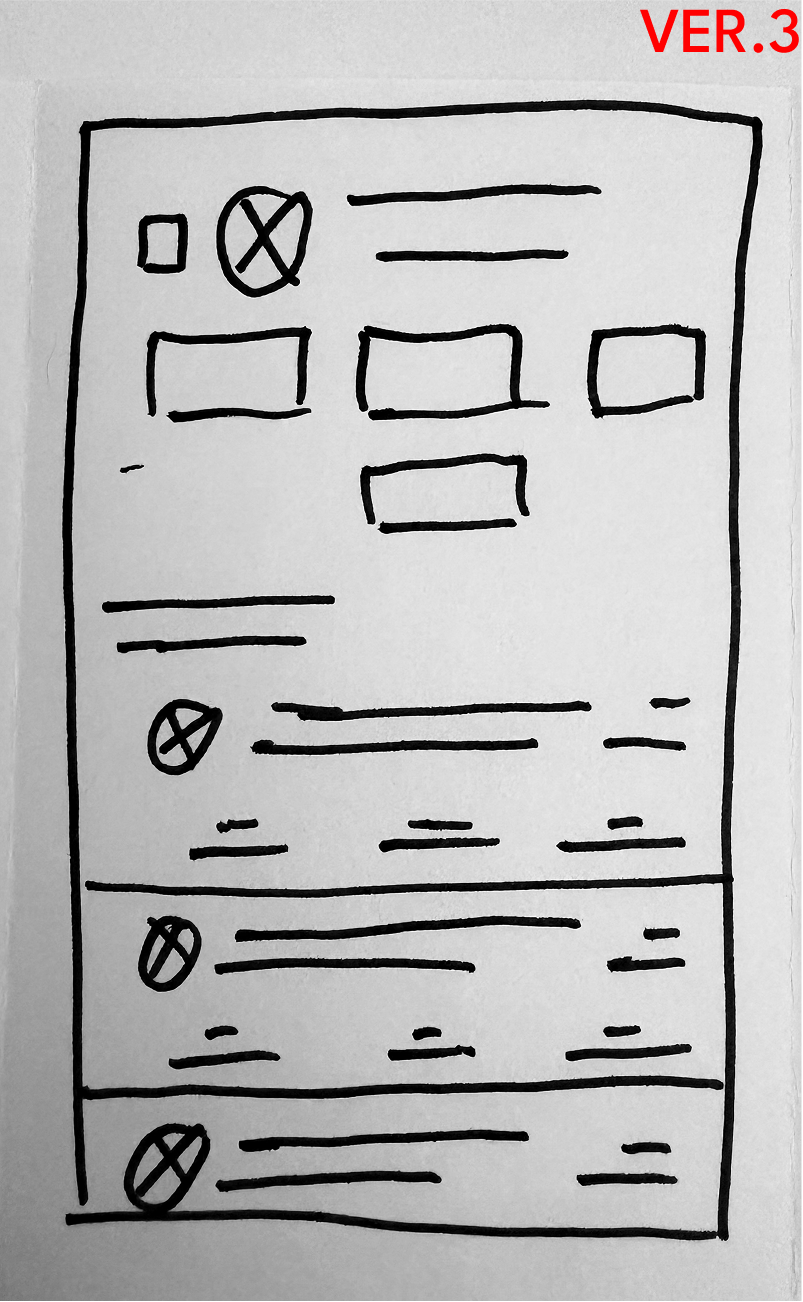
Wireframes
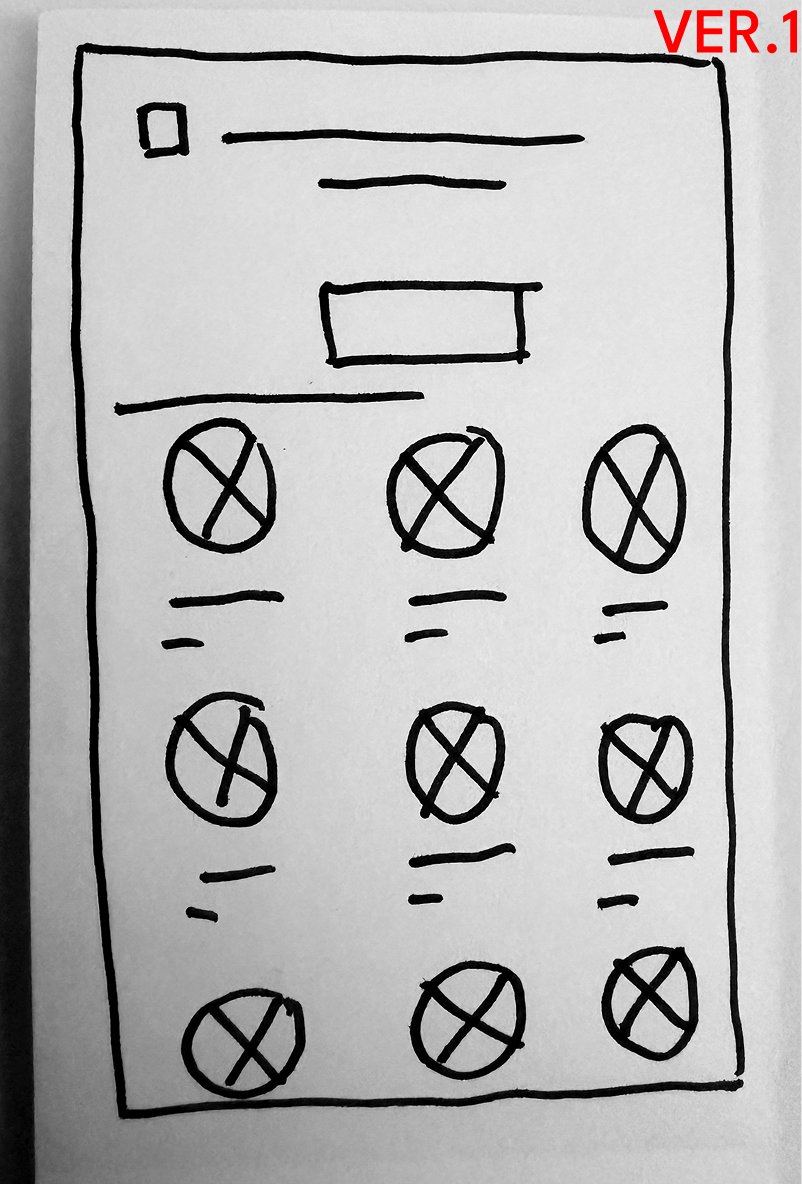
Momentum Leaderboard screen
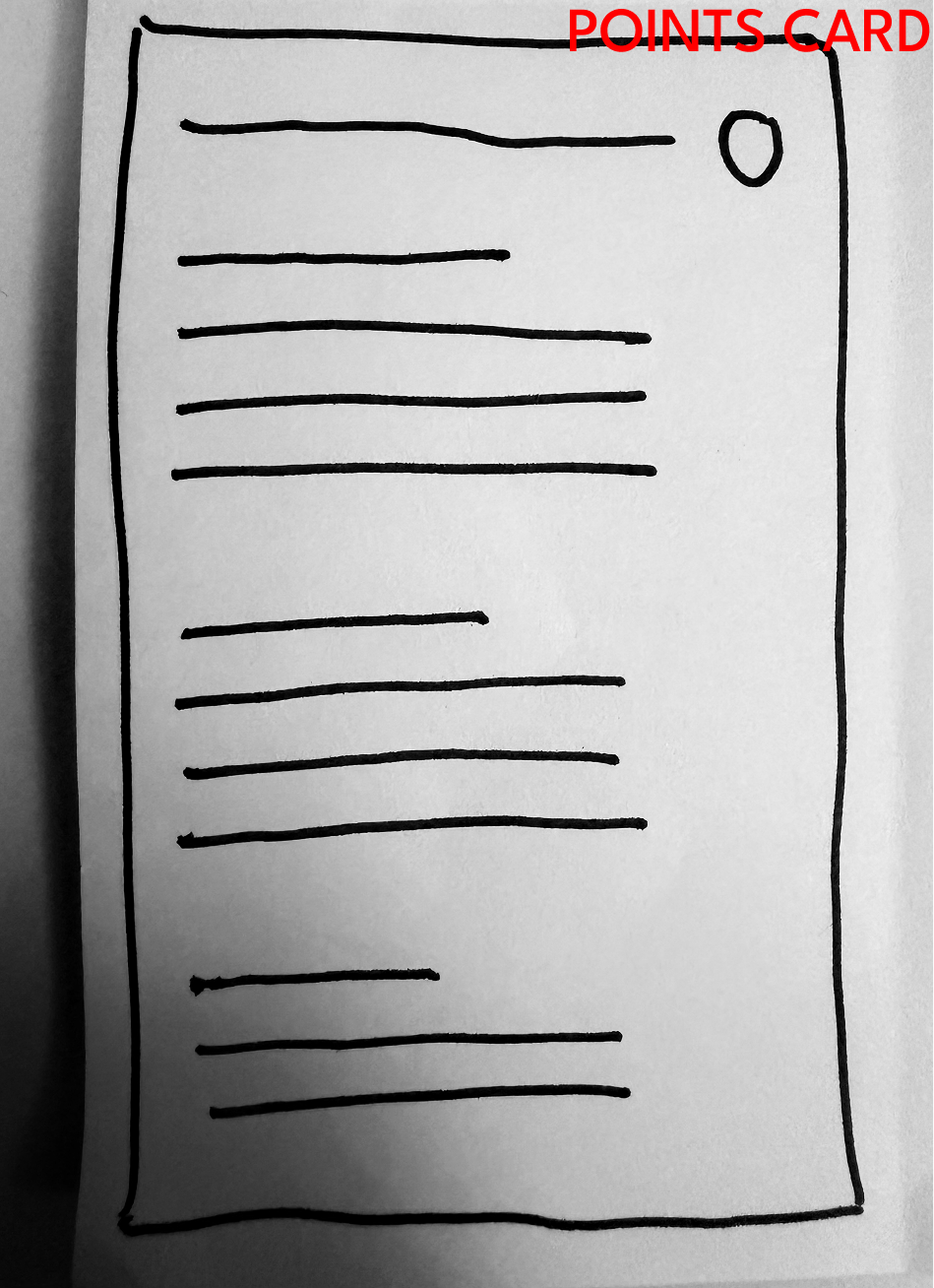
“How Points Work” card
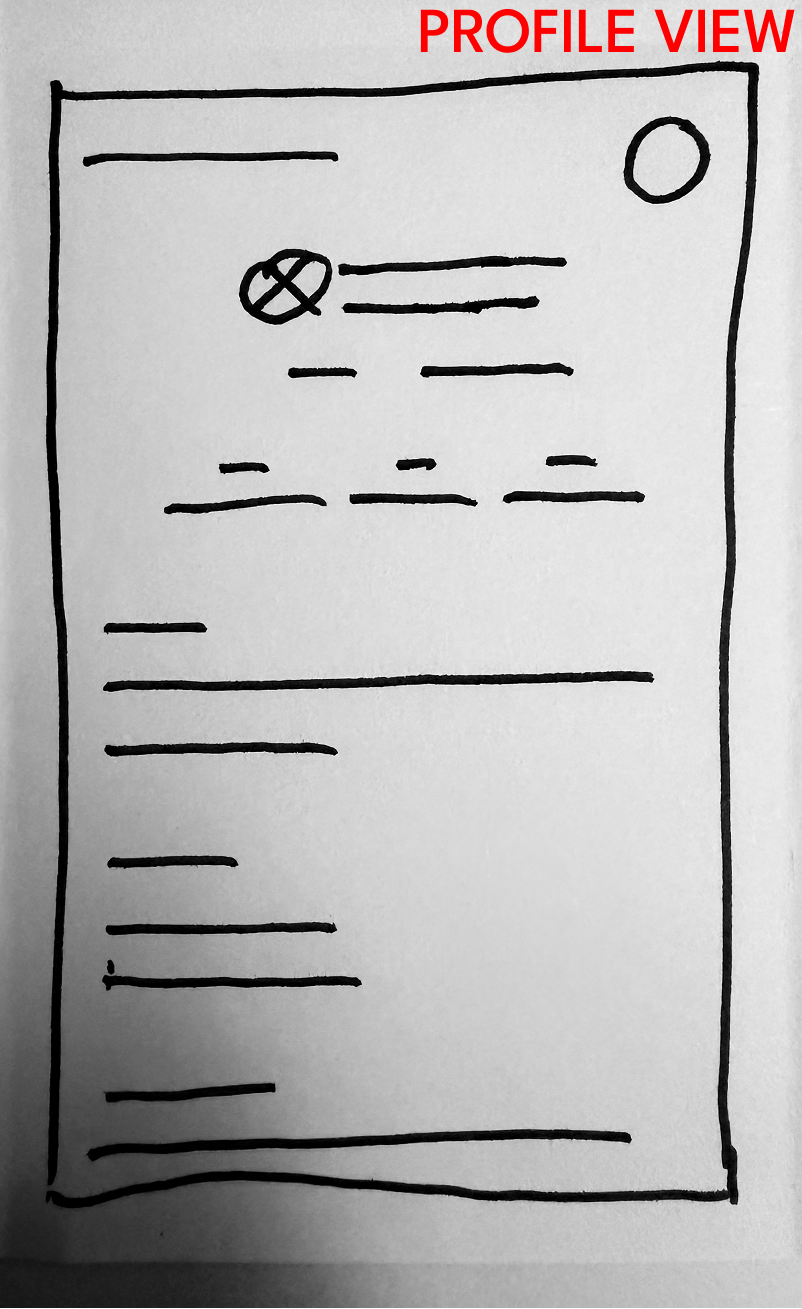
Profile Preview screen
UI Design
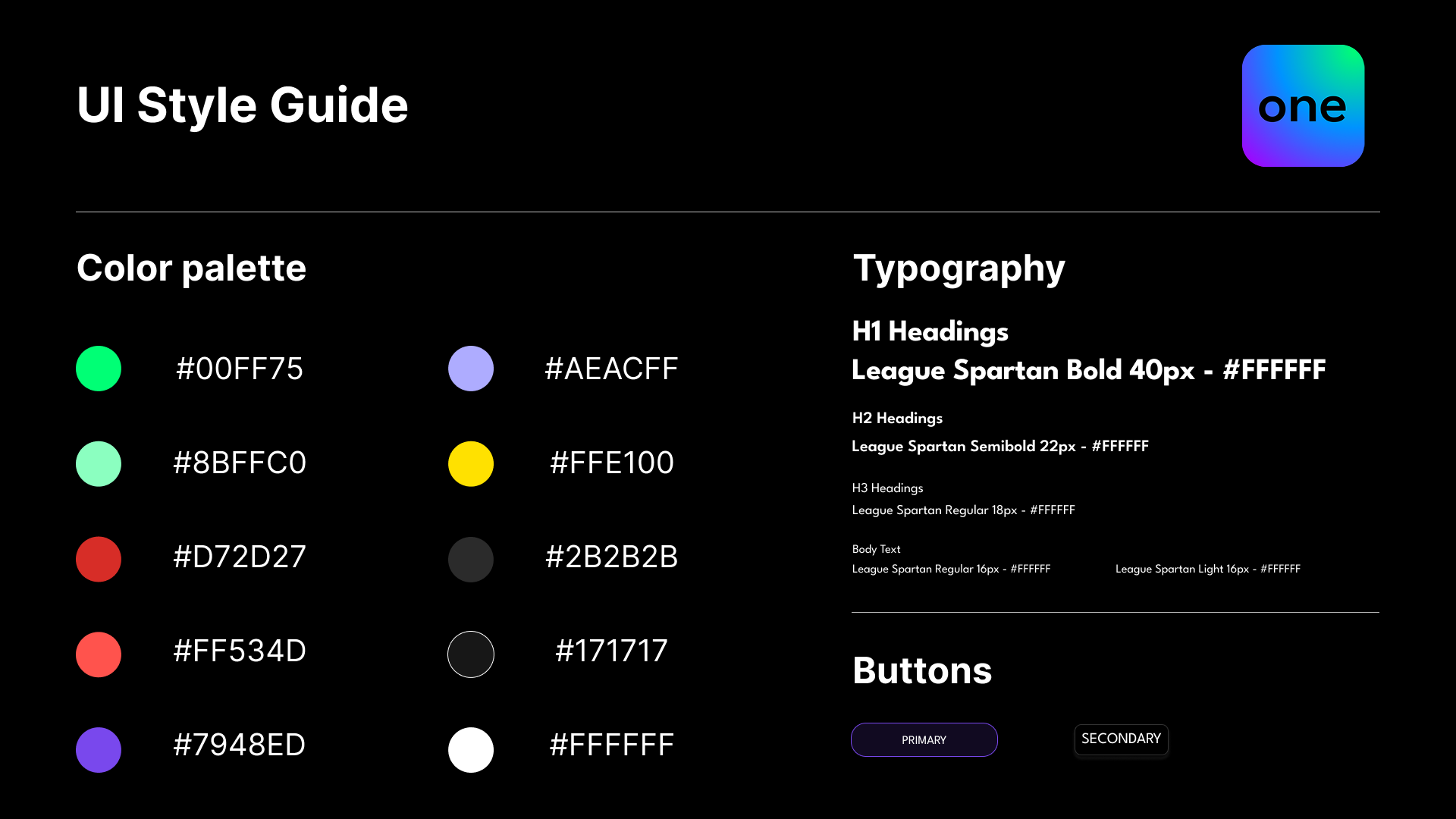
Our One Life CEO and founder had already determined which font and colors to use when our team started developing ideas for what features to add to enhance the user experience of the app. I copy and pasted those elements into my very own UI Style Guide sheet.
High-Fidelity Prototype
The Final Design: Bringing Momentum to Life
After refining the concept through AI-assisted ideation and exploring multiple visual directions, I translated the insights into a polished, interactive prototype. The final design captures the essence of momentum through dynamic visual elements, clear hierarchy, and motivating feedback loops that encourage users to maintain their productivity streaks.
The prototype demonstrates how competitive elements can coexist with personal growth tracking, creating an experience that feels both energizing and sustainable. Key features include real-time momentum indicators, personalized progress visualization, and celebration moments that reinforce positive habits within the One Life ecosystem.
Below is the high-fidelity prototype showcasing the Momentum Leaderboard in its final form:
04 REFLECTION
Main Takeaways
The Momentum Leaderboard validated our core hypothesis: users crave visible progress and shared accountability.
Feedback consistently praised the clarity of the point system; the 50/25/10 structure made earning mechanics instantly scannable.
The weekly countdown timer struck the right balance, creating urgency without stress.
Users especially connected with the detailed profile cards, noting they made competitors feel like real people worth getting inspired by, not just numbers to beat.
Most telling? Multiple testers said they'd actually use this feature: the ultimate validation.
But we also uncovered critical blind spots.
New users felt immediately discouraged seeing veteran streaks stretching into the hundreds. We'd designed for motivation but accidentally created intimidation.
The leaderboard also lacked crucial context: users didn't know if they were ranked 12th out of 15 or 12th out of 1,500, making their position meaningless.
And while our system recognized effort, it didn't reward it tangibly; users wanted to exchange their hard-earned points for something real.
What I Would Do Differently
If I could iterate, I'd introduce:
Tiered leaderboards, grouping users by experience level so newcomers compete with newcomers, removing that discouraging comparison gap.
I'd add contextual ranking ("You're #8 out of 247 users") to make positions meaningful and celebrate milestones more explicitly.
A rewards marketplace where points unlock themes, badges, or profile customization would give momentum tangible value beyond social proof.
Finally, I'd explore micro-interactions: activity indicators showing who's online, progress bars on profiles, trend arrows signaling someone's climbing fast: small details that make the leaderboard feel alive and dynamic, not static.
Next Steps
The Momentum Leaderboard showed promise, but promise isn't proof. Our next phase needs to answer the question that matters most: does this actually keep users coming back?
We'd start by refining the scoring system based on real behavior patterns, connecting points not just to daily challenges, but to the habits users are genuinely building. Does completing a 30-day meditation habit deserve the same recognition as a 30-day workout streak? The data would tell us, but only if we're listening closely enough.
More importantly, I'd push for longitudinal user research studies to track retention over months, not weeks. Our initial testing gave us snapshots; what we need are full stories. I want to sit with users at day 7, day 30, day 90, watching where motivation peaks and where it crashes. Did the leaderboard become white noise, or did it evolve into the accountability anchor we hoped for? These aren't questions we can answer through analytics alone. They require conversations, observation, and the kind of deep qualitative research that transforms assumptions into insights.
This project taught me that designing for motivation is designing for the long game. And the long game demands more than clever features; it demands understanding the human experience behind every streak, every point, every moment someone chooses to show up. That's the research experience I'm hungry for: not just validating what works, but uncovering why it works, and for whom.
Thank you for taking the time to view my project. View more of my work below!